
Services
Urological Procedures (Prostate or Bladder Surgery)
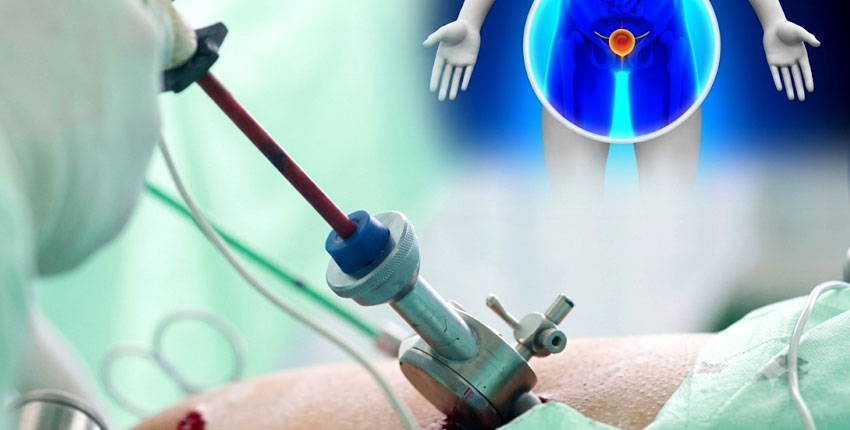
Urological procedures are performed to diagnose and treat conditions affecting the prostate, bladder and urinary system. Depending on the condition, minimally invasive surgery may help address urinary obstruction, prostate problems or selected bladder conditions.
At Masters of Scopy, laparoscopic techniques may be considered for selected urological procedures. Treatment is planned according to the patient's condition, diagnosis and surgical requirements.
What Conditions May Require Urological Surgery?
Surgery may be recommended when a urological condition causes significant symptoms, affects normal urinary function or requires removal or repair of affected tissue.
Treatment may be considered for:- Prostate conditions causing urinary obstruction
- Selected bladder conditions requiring surgery
- Urinary tract obstruction or structural problems
- Selected urological tumours or other conditions requiring surgical treatment
How Is Urological Surgery Performed?
The surgical technique depends on the condition being treated. Where appropriate, minimally invasive surgery uses small incisions and specialised instruments to access the affected area while reducing the need for a larger surgical opening.
Your surgeon will select the most suitable approach after reviewing your symptoms, investigations, overall health and the nature of the urological condition.
Benefits of Minimally Invasive Urological Surgery
When a minimally invasive approach is suitable, it may offer:
- Smaller surgical incisions and scars
- Potentially less postoperative discomfort
- Less disruption to surrounding tissues
- Potentially shorter hospital stay
- Earlier recovery in suitable patients
Evaluation, Preparation & Recovery
Evaluation may include a medical history, physical examination, urine or blood tests and imaging or other urological investigations depending on the condition. Your doctor will explain the recommended procedure and preparation required.
Recovery varies according to the type of surgery and individual health. Follow-up care may include medicines, wound care, urinary monitoring and gradual return to normal activities as advised.
Are There Any Risks?
Like any surgery, urological procedures may involve risks such as bleeding, infection, anaesthesia-related complications or temporary urinary problems. The risks depend on the specific procedure and your overall health and will be discussed before treatment.
Urological Surgery at Masters of Scopy
At Masters of Scopy, urological procedures are part of our laparoscopic surgical care, with minimally invasive techniques considered for suitable patients. Our team evaluates each case and recommends an approach based on the patient's diagnosis and individual surgical needs.
Having persistent urinary symptoms or a diagnosed prostate or bladder condition? Book a consultation at Masters of Scopy to understand your treatment options.