
Services
Gynaecological Procedures (Hysterectomy, Myomectomy)
Gynaecological laparoscopic procedures are minimally invasive surgeries used to treat certain conditions affecting the uterus and other reproductive organs. Depending on the condition, procedures such as hysterectomy or myomectomy may be recommended.
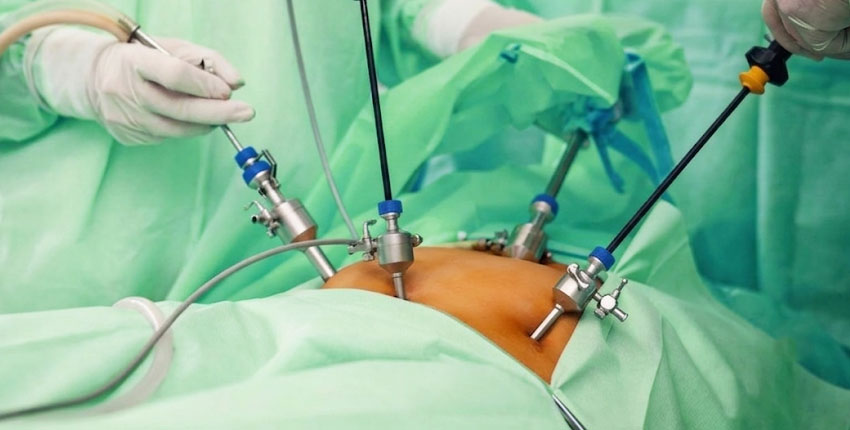
At Masters of Scopy, laparoscopic techniques may be used for suitable patients, allowing treatment through small abdominal incisions with the help of a camera and specialised surgical instruments.
What Are These Procedures?
Hysterectomy is a surgical procedure to remove the uterus. It may be considered for conditions such as fibroids, heavy menstrual bleeding, endometriosis or certain gynaecological cancers when other treatments are not suitable.
Myomectomy removes uterine fibroids while preserving the uterus. It may be an option for women who have symptoms from fibroids and wish to preserve their uterus, depending on their individual circumstances.
When May Surgery Be Recommended?
Gynaecological surgery is recommended based on the condition, symptoms, medical history and response to other treatments. It may be considered for:
- Uterine fibroids causing pain or heavy bleeding
- Persistent or troublesome menstrual bleeding
- Endometriosis or related pelvic symptoms
- Conditions affecting the uterus that require surgical treatment
- Selected gynaecological cancers
How Is Laparoscopic Gynaecological Surgery Performed?
Laparoscopic surgery is generally performed under anaesthesia through small abdominal incisions. A laparoscope provides a magnified view of the pelvic organs, while specialised instruments are used to perform the required procedure.
The exact surgical technique depends on whether the patient requires a hysterectomy, myomectomy or another gynaecological procedure, as well as the size, location and nature of the condition.
Benefits of Laparoscopic Gynaecological Surgery
When laparoscopic surgery is appropriate, the minimally invasive approach may offer:
- Smaller surgical incisions and scars
- Potentially less postoperative discomfort
- Less disruption to surrounding tissues
- Potentially shorter hospital stay
- Earlier return to routine activities in suitable patients
Preparation & Recovery
Before surgery, your doctor may recommend an examination, imaging or other investigations depending on your condition. You will also receive instructions regarding medicines, fasting and preparation for the procedure.
Recovery varies according to the procedure and individual health. Patients are generally advised to follow wound-care instructions, gradually increase activity and attend follow-up visits as recommended.
Are There Any Risks?
Like any surgery, gynaecological procedures may involve risks such as bleeding, infection, anaesthesia-related complications or injury to nearby structures. Your surgeon will discuss the potential risks and expected recovery based on the specific procedure.
Gynaecological Surgery at Masters of Scopy
At Masters of Scopy, gynaecological procedures are provided as part of our laparoscopic surgical care, with minimally invasive techniques used wherever clinically appropriate. Treatment is planned according to the patient's condition, symptoms and individual surgical needs.
Need treatment for fibroids, heavy bleeding or another uterine condition? Book a consultation at Masters of Scopy to discuss your surgical options.