
Services
Hernia Repair
A hernia occurs when an internal organ or tissue pushes through a weakened area of the surrounding muscle. It may cause a visible bulge, discomfort or pain, particularly while coughing, lifting or standing.
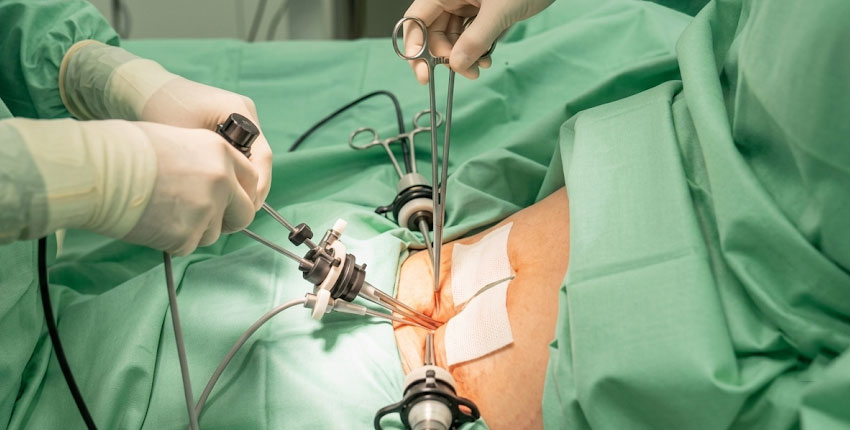
At Masters of Scopy, laparoscopic hernia repair may be performed when clinically appropriate. This minimally invasive approach uses small incisions, a camera and specialised instruments to repair the weakened area.
What Is a Hernia?
A hernia develops when tissue pushes through a weak spot in the abdominal wall or groin. Common types include inguinal, umbilical, incisional and other abdominal wall hernias.
Common symptoms may include:- A visible or noticeable bulge
- Pain or discomfort at the hernia site
- Heaviness or pressure in the abdomen or groin
- Discomfort while coughing, lifting or straining
- A bulge that becomes more noticeable with activity
When Is Hernia Repair Recommended?
Hernia repair may be recommended when the hernia causes symptoms, increases in size or has a risk of complications. The appropriate treatment depends on the type, size and location of the hernia and the patient's overall health.
- Painful or symptomatic hernia
- Increasing size or persistent discomfort
- Hernia affecting daily activities
- Complicated or recurrent hernia in selected patients
What Is Laparoscopic Hernia Repair?
Laparoscopic hernia repair is a minimally invasive surgical technique performed through small abdominal incisions. A laparoscope provides a clear view of the affected area, allowing the surgeon to repair the weakened abdominal wall using specialised instruments.
In many laparoscopic repairs, a surgical mesh is placed to reinforce the weakened area and help reduce the risk of recurrence. The choice of technique depends on the patient's individual condition.
Benefits of Laparoscopic Hernia Surgery
When laparoscopic repair is suitable, the minimally invasive approach may offer advantages compared with traditional open surgery.
- Smaller surgical incisions and scars
- Potentially less postoperative discomfort
- Less disruption to surrounding tissues
- Potentially shorter hospital stay
- Earlier return to routine activities in suitable patients
Preparation & Recovery
Before surgery, your medical team may review your health, medicines and required investigations. You will receive instructions regarding fasting and medicines before the procedure.
After hernia repair, recovery depends on the type of hernia, surgical technique and individual health. Patients are generally advised to care for the surgical wounds, gradually increase activity and avoid heavy lifting until cleared by their doctor.
Are There Any Risks?
Like any surgery, hernia repair may involve risks such as infection, bleeding, pain or anaesthesia-related complications. There may also be a possibility of hernia recurrence or other complications depending on the type and complexity of the repair.
Hernia Repair at Masters of Scopy
At Masters of Scopy, hernia treatment is provided as part of our laparoscopic surgical care, with minimally invasive techniques used wherever clinically appropriate. Our surgical team evaluates the hernia and recommends an approach based on the patient's condition and surgical needs.
Living with a painful or growing hernia? Book a consultation at Masters of Scopy to understand your treatment options.