
Services
Endoscopic Polyp Removal Surgery
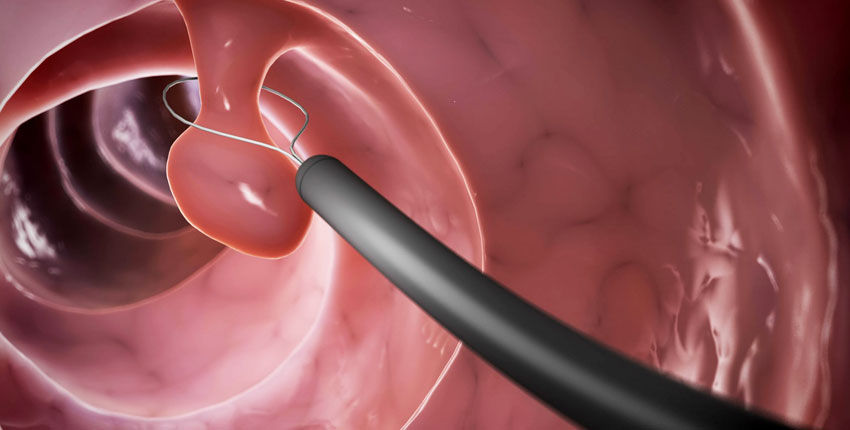
Endoscopic polyp removal, also known as polypectomy, is a minimally invasive procedure used to remove polyps from areas such as the digestive tract. Removing certain polyps can help prevent complications and, in some cases, reduce the risk of future cancer development.
At Masters of Scopy, endoscopic polyp removal may be performed during procedures such as upper GI endoscopy or colonoscopy, depending on the location and type of polyp.
What Are Polyps?
Polyps are abnormal tissue growths that can develop along the inner lining of the digestive tract. Many are harmless, but some types may develop into cancer over time. Their appearance, size and location help doctors decide whether removal is required.
Polyps may be found in areas such as:- Colon and rectum
- Stomach
- Other areas accessible through endoscopy
When Is Polyp Removal Recommended?
Polyps may be removed when they are identified during an endoscopic examination and are considered suitable for removal. The decision depends on the polyp's size, appearance, location and other clinical factors.
Removed tissue is generally sent for laboratory examination to determine its type and whether any further treatment or monitoring is required.
How Is Endoscopic Polyp Removal Performed?
During an endoscopic procedure, a flexible camera is guided through the natural passage to reach the area containing the polyp. Specialised instruments are passed through the endoscope to remove the polyp or suitable tissue.
Depending on the size and characteristics of the polyp, different endoscopic techniques may be used. Larger or complex polyps may require specialised treatment or a different surgical approach.
Benefits of Endoscopic Polyp Removal
When endoscopic removal is appropriate, it may offer:
- Minimally invasive treatment
- No large external surgical incision
- Removal and examination of the polyp tissue
- Potentially quicker recovery than conventional surgery
- Earlier return to routine activities in suitable patients
Preparation & Recovery
Preparation depends on whether the procedure involves an upper GI endoscopy or colonoscopy. Your medical team will provide instructions regarding fasting, bowel preparation when required and medicines before the procedure.
Mild discomfort or temporary bloating may occur after the procedure. Recovery depends on the extent of polyp removal, and your doctor will advise when you can resume normal activities and discuss the pathology results.
Are There Any Risks?
Endoscopic polyp removal is generally minimally invasive, but possible risks include bleeding, infection or, rarely, injury or perforation of the digestive tract. The risk depends on the size, location and complexity of the polyp and the technique used.
Polyp Removal at Masters of Scopy
At Masters of Scopy, endoscopic polyp removal is part of our Endoscopic Surgeries services. Polyps identified during suitable endoscopic examinations can be assessed and removed when clinically appropriate, with the treatment approach tailored to the individual patient.
Have you been advised to remove a digestive tract polyp? Book a consultation at Masters of Scopy to understand your endoscopic treatment options.