
Services
Hysteroscopy Surgeries
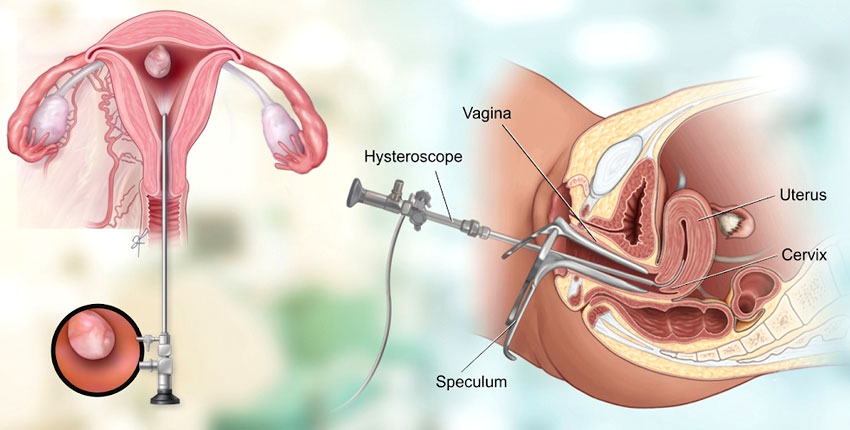
Hysteroscopy is a minimally invasive endoscopic procedure used to examine the inside of the uterus. A thin camera called a hysteroscope is gently passed through the vagina and cervix, allowing the doctor to view the uterine cavity without an abdominal incision.
At Masters of Scopy, hysteroscopy may be used for both diagnosis and selected treatments of conditions affecting the uterine cavity.
Why Is Hysteroscopy Done?
Hysteroscopy provides a direct view of the uterine cavity and can help identify the cause of certain gynaecological symptoms or fertility-related concerns.
It may be recommended for:- Abnormal or heavy menstrual bleeding
- Uterine polyps or selected fibroids
- Unexplained bleeding between periods
- Evaluation of certain fertility concerns
- Removal of selected abnormalities inside the uterus
How Is Hysteroscopy Performed?
A thin hysteroscope with a camera is gently introduced through the vagina and cervix into the uterus. The camera provides a clear view of the uterine cavity on a monitor.
If an abnormality such as a polyp or suitable fibroid is identified, specialised instruments may be used through the hysteroscope to remove or treat it during the same procedure.
Benefits of Hysteroscopy
When hysteroscopy is appropriate, this minimally invasive approach may offer:
- No abdominal surgical incision
- Direct visualisation of the uterine cavity
- Ability to diagnose and treat selected conditions
- Potentially less postoperative discomfort
- Potentially quicker recovery than some traditional procedures
Preparation & Recovery
Preparation depends on whether hysteroscopy is being performed for diagnosis or treatment. Your doctor may recommend an examination, ultrasound or other investigations and provide instructions regarding medicines and the procedure.
Mild cramping or light vaginal bleeding may occur after the procedure. Recovery varies according to the treatment performed, and most patients can gradually return to normal activities as advised by their doctor.
Are There Any Risks?
Hysteroscopy is generally well tolerated, but possible risks include infection, bleeding, anaesthesia-related complications or, rarely, injury to the uterus or cervix. The risks depend on the specific procedure being performed.
Hysteroscopy at Masters of Scopy
At Masters of Scopy, hysteroscopy is part of our Endoscopic Surgeries services, providing minimally invasive diagnosis and treatment for selected conditions inside the uterus.
Experiencing abnormal bleeding or have been advised to undergo hysteroscopy? Book a consultation at Masters of Scopy to understand your diagnostic and treatment options.