
Services
Endoscopic Kidney Stone Surgeries (Cystoscopy and Ureteroscopy)
Endoscopic kidney stone surgery is a minimally invasive treatment used to remove or break urinary stones through the natural urinary passage. Procedures such as cystoscopy and ureteroscopy allow the doctor to access the urinary tract without a large surgical incision.
At Masters of Scopy, endoscopic stone procedures may be considered based on the stone's size, location, symptoms and the patient's overall condition.
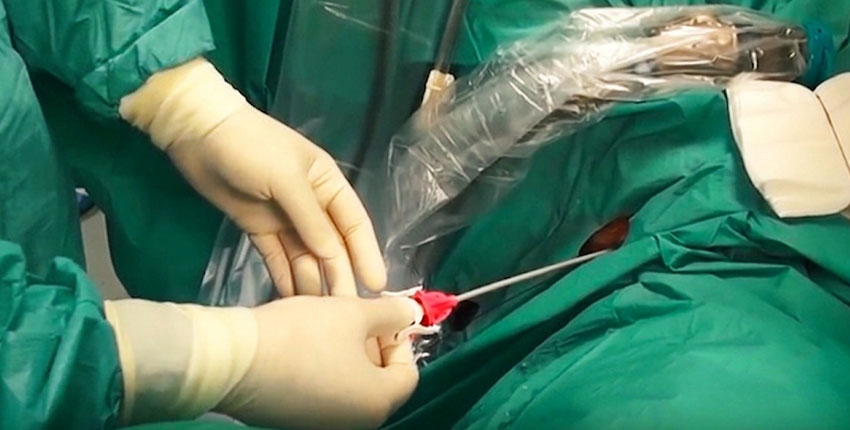
What Are Cystoscopy & Ureteroscopy?
Cystoscopy uses a thin camera to examine the urethra and bladder, while ureteroscopy uses a small endoscope to reach the ureter and, when required, the kidney. Specialised instruments may then be used to remove or break the stone.
Endoscopic stone treatment may be considered for:- Ureteric stones causing pain or obstruction
- Kidney stones in selected cases
- Stones that are unlikely to pass naturally
- Urinary stones causing recurrent problems or complications
How Is Endoscopic Stone Surgery Performed?
The procedure is generally performed under anaesthesia. A thin endoscope is gently passed through the urinary passage to reach the bladder, ureter or kidney. Depending on the stone, it may be removed directly or broken into smaller pieces using suitable instruments.
A temporary urinary stent may sometimes be placed to support drainage and healing after the procedure, depending on the clinical situation.
Benefits of Endoscopic Kidney Stone Surgery
When appropriate, endoscopic treatment may offer:
- No large abdominal incision
- Minimally invasive access to urinary stones
- Smaller or no external surgical scars
- Potentially quicker recovery
- Earlier return to routine activities in suitable patients
Evaluation & Recovery
Evaluation may include urine and blood tests along with imaging such as ultrasound or CT scan to determine the stone's size and location. Your doctor will select the appropriate treatment based on these findings.
Mild urinary discomfort or blood in the urine may occur temporarily after the procedure. Recovery varies depending on the treatment performed and the presence of a urinary stent. Follow your doctor's advice regarding fluids, medicines and follow-up.
Are There Any Risks?
Like any procedure, endoscopic stone surgery may involve risks such as infection, bleeding, urinary discomfort or injury to the urinary tract. Stone recurrence is also possible. Your urologist will explain the risks based on your specific condition and procedure.
Kidney Stone Surgery at Masters of Scopy
At Masters of Scopy, cystoscopy and ureteroscopy are part of our Endoscopic Surgeries services, providing minimally invasive options for selected urinary stone conditions. Each patient is evaluated individually to determine the appropriate treatment approach.
Experiencing kidney stone pain or urinary symptoms? Book a consultation at Masters of Scopy to understand your treatment options.