
Services
Gallbladder Removal (Cholecystectomy)
Gallbladder removal, also known as cholecystectomy, is a common surgery used to treat gallstones and other gallbladder conditions causing pain, inflammation or complications.
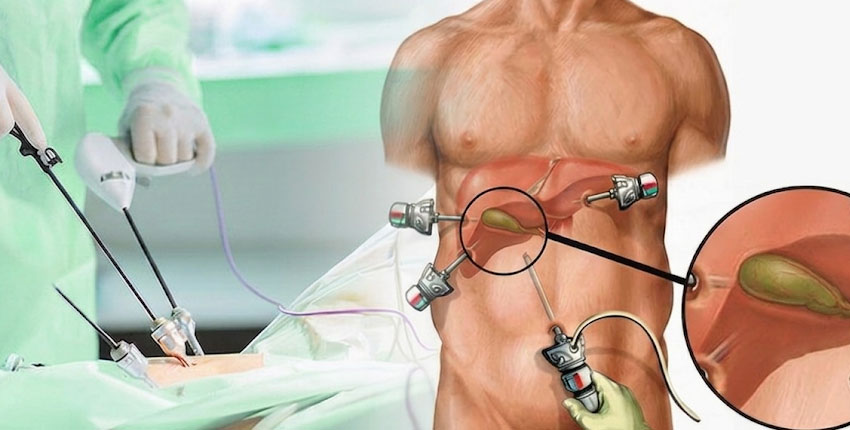
At Masters of Scopy, laparoscopic gallbladder removal may be performed through small abdominal incisions using a camera and specialised instruments, when clinically appropriate.
Why Is Gallbladder Removal Recommended?
Surgery may be recommended when gallstones or other gallbladder problems cause repeated symptoms or complications.
Common reasons include:- Symptomatic gallstones
- Repeated gallbladder pain
- Gallbladder inflammation (Cholecystitis)
- Blocked bile ducts due to gallstones
- Gallstone-related complications
Common Symptoms of Gallbladder Problems
Gallbladder problems can cause discomfort ranging from occasional pain to severe attacks.
- Upper abdominal pain, especially on the right side
- Pain after meals, particularly fatty meals
- Nausea or vomiting
- Bloating or indigestion
- Fever with inflammation or infection
- Yellowing of the skin or eyes in some cases
How Is Gallbladder Removal Performed?
Laparoscopic cholecystectomy is performed under general anaesthesia through small abdominal incisions. A laparoscope provides a magnified view, allowing the surgeon to carefully separate and remove the gallbladder using specialised instruments.
The procedure generally involves:- Making small abdominal incisions
- Introducing a camera and surgical instruments
- Carefully separating the gallbladder
- Removing the gallbladder through a small incision
- Closing the surgical openings
Benefits of Laparoscopic Gallbladder Surgery
- Smaller surgical incisions
- Smaller scars
- Less postoperative discomfort for many patients
- Earlier mobilisation
- Potentially shorter hospital stay
- Faster return to routine activities in suitable patients
Preparation & Recovery
Before surgery, your doctor will review your health, medicines and required investigations. You may need blood tests, imaging and fasting before the procedure.
After surgery, follow your doctor's advice regarding medicines, wound care, diet and physical activity. Recovery varies from person to person, and follow-up appointments help ensure appropriate healing.
Can You Live Without a Gallbladder?
Yes. The gallbladder is not essential for normal digestion. After removal, the liver continues to produce bile, which flows directly into the intestine. Most people can return to their usual diet and activities after recovery.
Are There Any Risks?
Like any surgery, gallbladder removal carries potential risks such as bleeding, infection, anaesthesia-related complications or injury to nearby structures. Your surgeon will explain the relevant risks and benefits before surgery.
Gallbladder Surgery at Masters of Scopy
At Masters of Scopy, laparoscopic gallbladder surgery is provided with a focus on minimally invasive techniques, careful surgical planning and personalised patient care.
Book a consultation at Masters of Scopy to discuss your gallbladder symptoms and understand whether laparoscopic gallbladder removal may be appropriate for you.