
Blogs
Understanding the Importance of Specialised ICU Care
Intensive Care Unit (ICU) care plays an important role in the treatment of patients who require close observation, specialised medical support and continuous monitoring. Patients may need intensive care because of a serious illness, major surgery, medical emergency or a condition that requires a higher level of support than a regular hospital ward can provide.
At Masters of Scopy, specialised ICU care is supported by experienced ICU doctors and trained nursing teams. The focus is on continuous monitoring, timely medical attention and coordinated care for patients with critical or complex medical needs.
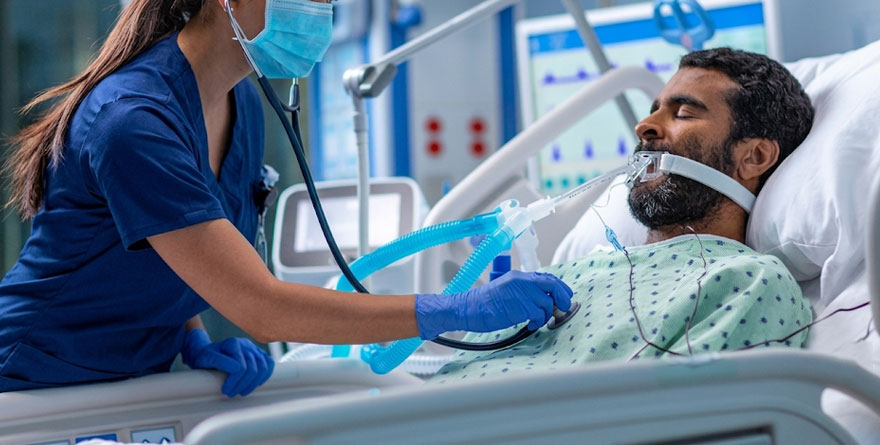
What Is Specialised ICU Care?
An Intensive Care Unit is a specialised hospital area designed for patients who require close observation and medical support. ICU teams monitor important body functions and respond to changes in a patient's condition.
ICU care involves doctors, nurses and other healthcare professionals working together to provide ongoing assessment and treatment based on the patient's individual medical requirements.
Who May Need ICU Care?
ICU care may be recommended when a patient's condition requires continuous monitoring, specialised treatment or support for important body functions.
- Patients with serious or unstable medical conditions.
- Patients requiring close monitoring after major surgery.
- Patients experiencing serious infections or complications.
- Patients requiring advanced medical support or continuous observation.
- Patients recovering from certain serious medical emergencies.
Conditions That May Require Intensive Care
Many different medical and surgical conditions may require intensive care depending on their severity. The decision to admit a patient to the ICU is based on the patient's clinical condition and level of medical support required.
- Stroke: Patients with serious stroke-related conditions may require close neurological and medical monitoring.
- Heart-Related Emergencies: Certain serious heart conditions may require continuous monitoring and specialised care.
- Severe Infections: Serious infections can sometimes lead to complications requiring intensive monitoring and treatment.
- Complicated Malaria and Dengue: Patients with severe or complicated cases may require close observation and supportive medical care.
- Postoperative Care: Selected patients may require intensive monitoring following major or complex surgery.
What Happens in an ICU?
Patients in an ICU are monitored more closely than patients in a standard hospital ward. The healthcare team regularly assesses the patient's condition and provides treatment or support according to their changing medical needs.
- Continuous monitoring of important vital signs.
- Regular assessment by doctors and trained nursing staff.
- Administration of prescribed medicines and treatments.
- Appropriate oxygen or other medical support when required.
- Regular laboratory investigations and diagnostic assessments when needed.
- Timely response to changes in the patient's clinical condition.
Why Is Specialised ICU Care Important?
Critically ill patients can experience changes in their condition over a short period of time. Specialised ICU care allows healthcare professionals to monitor patients closely and identify important changes promptly.
Continuous observation and coordinated medical care can help the treatment team make timely decisions regarding medicines, investigations, procedures and other supportive measures.
The Role of the ICU Care Team
Effective intensive care involves teamwork. ICU doctors and trained nursing staff work together to monitor the patient, provide treatment and communicate important changes to the treating team.
- ICU Doctors: Assess the patient's condition and coordinate intensive medical management.
- Nursing Team: Provides continuous bedside monitoring, medicines and patient care.
- Specialists: Other medical or surgical specialists may be involved depending on the patient's condition.
- Support Teams: Diagnostic and other hospital services help support the patient's overall treatment.
ICU Care After Surgery
Some patients may require intensive monitoring after major or complex surgery. Postoperative ICU care allows the medical team to closely observe the patient's recovery and provide appropriate support when required.
The duration of ICU care varies depending on the type of surgery, the patient's health and their recovery. Patients are moved to a regular ward or other appropriate care setting when the treating team considers it medically suitable.
How Can Family Members Support a Patient?
Having a loved one in the ICU can be stressful for families. Clear communication with the healthcare team can help family members understand the patient's condition and treatment plan.
- Share relevant medical history and medication information with the healthcare team.
- Follow ICU visiting and infection-control instructions.
- Ask the treating team questions if any part of the treatment plan is unclear.
- Keep communication with the healthcare team open and organised.
Specialised ICU Care at Masters of Scopy
At Masters of Scopy, specialised ICU care is supported by experienced ICU doctors and trained nursing teams. Continuous monitoring and coordinated medical care are provided for patients who require intensive support.
Our ICU team supports patients with serious medical conditions and selected postoperative needs, while working alongside surgical and medical teams to provide comprehensive care.
When Should Intensive Care Be Considered?
ICU admission is decided by the treating medical team based on the severity of the patient's condition and the level of monitoring or support required. Not every seriously ill patient will require the ICU, and the need for intensive care can change during the course of treatment.
If you or a family member develops a serious medical condition, seek urgent medical attention and follow the advice of the treating healthcare professionals.
Comprehensive Care When It Matters Most
At Masters of Scopy, our integrated approach brings together surgical, medical and critical-care teams to support patients through complex medical situations and recovery.
For medical emergencies, seek immediate medical attention. For planned treatment or consultations, contact Masters of Scopy to discuss your healthcare needs.