
Blogs
Minimally Invasive Surgery: Is It Right for You?
Surgery is an important part of treatment for many medical conditions. With advances in medical technology, several procedures can now be performed using minimally invasive techniques instead of traditional open surgery. These approaches use smaller incisions or natural body openings and specialised instruments to access and treat the affected area.
At Masters of Scopy, minimally invasive surgical care includes advanced laparoscopic and endoscopic procedures, along with selected arthroscopic and urological surgeries. However, minimally invasive surgery is not appropriate for every patient or every condition. Understanding the procedure and discussing your individual case with a specialist is an important part of making the right treatment decision.
What Is Minimally Invasive Surgery?
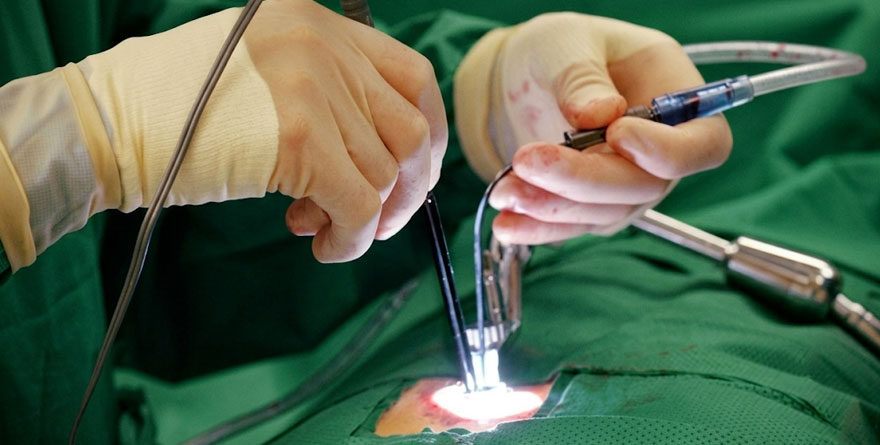
Minimally invasive surgery is a surgical approach that aims to perform a procedure through smaller incisions than those typically used in conventional open surgery. Depending on the operation, a camera and specialised instruments may be introduced through small openings to allow the surgeon to view and treat the affected area.
Laparoscopic surgery is one of the most commonly recognised forms of minimally invasive surgery. Other approaches include endoscopic, arthroscopic and selected minimally invasive urological procedures.
What Types of Minimally Invasive Procedures Are Available?
Depending on the condition and the patient's individual requirements, minimally invasive techniques may be used for a variety of procedures.
- Laparoscopic Surgery: Procedures such as gallbladder removal, appendix removal and hernia repair.
- Gynaecological Procedures: Selected procedures including hysterectomy and myomectomy.
- Urological Procedures: Selected prostate, bladder and kidney stone procedures using minimally invasive techniques.
- Endoscopic Procedures: Procedures involving the digestive tract, urinary system, nose, spine and other areas where endoscopic treatment is appropriate.
- Arthroscopic Surgery: Minimally invasive procedures used to examine and treat selected joint conditions.
- Selected Cancer Surgeries: Minimally invasive approaches may be considered for selected cancer surgeries depending on the patient's condition and surgical requirements.
Potential Benefits of Minimally Invasive Surgery
When minimally invasive surgery is suitable, it may provide certain advantages compared with conventional open surgery. The benefits vary according to the procedure and the individual patient.
- Smaller surgical incisions.
- Less disruption to surrounding tissues in appropriate procedures.
- Smaller scars compared with many open surgical procedures.
- Potentially less postoperative discomfort in some procedures.
- Potentially shorter hospital stay for suitable patients.
- Earlier return to normal activities in some cases.
Is Minimally Invasive Surgery Right for You?
Not every patient is a candidate for minimally invasive surgery. The most appropriate approach depends on several factors, including the type and severity of the condition, previous surgeries, overall health and the complexity of the procedure.
Your surgeon will evaluate your condition and review relevant medical reports and investigations before recommending a surgical approach. In some situations, traditional open surgery may be more appropriate or safer.
Factors Your Surgeon May Consider
- Your Medical Condition: The nature, location and severity of the condition being treated.
- Previous Surgeries: Previous abdominal or other surgeries may influence the recommended surgical approach.
- Overall Health: Existing medical conditions and your general health are considered before surgery.
- Procedure Complexity: Some complex procedures may require a different surgical approach.
- Investigation Results: Imaging, blood tests and other relevant investigations help guide treatment planning.
- Expected Benefits and Risks: Your surgeon will discuss the potential benefits, risks and alternatives before proceeding.
Preparing for Minimally Invasive Surgery
Once surgery has been planned, your healthcare team will provide instructions based on the specific procedure and your health requirements.
- Complete the recommended medical tests and investigations before surgery.
- Inform your doctor about all medicines, supplements and allergies.
- Follow fasting instructions before the procedure.
- Follow any specific instructions regarding medicines before surgery.
- Arrange transportation and assistance after the procedure if required.
What Is Recovery Like?
Recovery after minimally invasive surgery varies depending on the type of operation, your overall health and how your body responds to treatment. Although some patients may recover sooner than after comparable open surgery, recovery time should always be discussed with your surgeon.
- Follow all postoperative instructions provided by your surgical team.
- Take prescribed medicines as directed.
- Keep surgical wounds clean and follow wound-care instructions.
- Gradually return to physical activity as advised by your doctor.
- Follow recommended dietary and lifestyle instructions.
- Attend scheduled follow-up appointments.
Are There Any Risks?
Like every surgical procedure, minimally invasive surgery carries potential risks. These depend on the type of surgery, the patient's medical history and the complexity of the procedure.
Your surgeon will explain the expected benefits, possible complications and available alternatives before surgery so that you can make an informed treatment decision.
Minimally Invasive Surgery vs Open Surgery
Minimally invasive and open surgery are different approaches to performing surgical procedures. Minimally invasive surgery generally uses smaller incisions, while open surgery involves a larger surgical opening to access the treatment area.
Neither approach is universally better for every patient. The safest and most effective option depends on the condition being treated and the patient's individual circumstances.
Minimally Invasive Care at Masters of Scopy
At Masters of Scopy, our approach combines surgical expertise, advanced technology and patient-focused care. Our team provides a range of laparoscopic, endoscopic, arthroscopic and selected urological procedures using minimally invasive techniques where appropriate.
We also have medical and critical-care support, allowing patients to receive coordinated care based on their individual clinical needs.
Questions to Ask Your Surgeon
Before undergoing surgery, it is helpful to understand your treatment options and what the procedure involves. You may want to ask your surgeon:
- Is minimally invasive surgery suitable for my condition?
- What are the expected benefits of this approach?
- Are there alternatives to surgery?
- How long might recovery take?
- What restrictions should I expect after surgery?
- What are the possible risks and complications?
When Should You Consult a Surgeon?
If you have been diagnosed with a condition that may require surgery, have persistent symptoms, or have been advised to undergo an operation, a specialist consultation can help you understand your treatment options.
During a consultation, your surgeon can review your symptoms, medical history and investigation reports and determine whether a minimally invasive approach may be appropriate for you.
Explore Your Surgical Options
If you have been advised to undergo surgery or want to know whether a minimally invasive approach may be suitable for your condition, consult the experienced team at Masters of Scopy.
Book a consultation to discuss your condition, treatment options and the most appropriate surgical approach for your needs.