
Blogs
Understanding Laparoscopic Surgery: Benefits, Recovery & What to Expect
Laparoscopic surgery is a minimally invasive surgical technique that allows surgeons to perform certain procedures through small incisions rather than a traditional large surgical opening. It is widely used for several abdominal, gynaecological, urological and other surgical procedures.
At Masters of Scopy, advanced laparoscopic procedures are supported by experienced surgical teams, modern medical technology and comprehensive patient care. Understanding how laparoscopic surgery works and what to expect can help patients feel more prepared before their procedure.
What Is Laparoscopic Surgery?
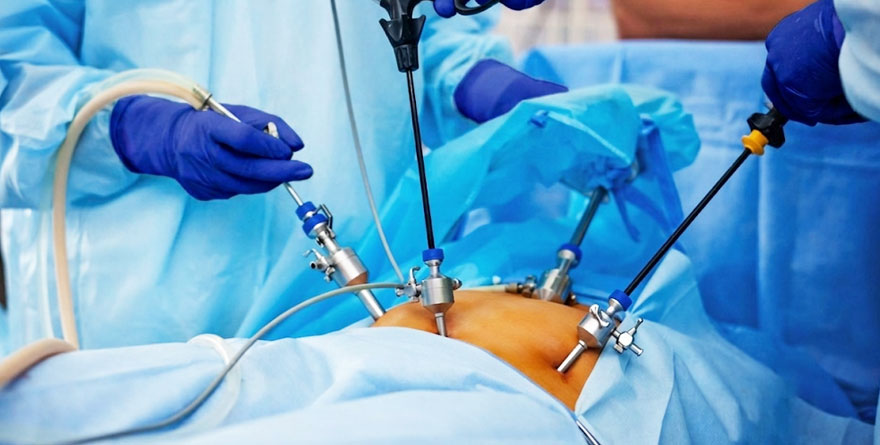
Laparoscopic surgery is a minimally invasive approach in which the surgeon makes small incisions to access the area requiring treatment. A thin camera called a laparoscope is inserted through one of these openings, allowing the surgical team to view the operating area on a monitor.
Specialised surgical instruments are introduced through additional small openings to perform the required procedure. The technique may be suitable for many patients, depending on their condition, medical history and the type of surgery required.
What Laparoscopic Procedures Are Performed?
Laparoscopic techniques can be used for a wide range of surgical procedures. Depending on the patient's condition, some commonly performed procedures include:
- Gallbladder Removal: Laparoscopic cholecystectomy for conditions such as gallstones and gallbladder-related problems.
- Appendix Removal: Laparoscopic surgery to remove an inflamed or infected appendix when appropriate.
- Hernia Repair: Minimally invasive repair of selected abdominal and groin hernias.
- Weight Loss Surgery: Selected bariatric procedures performed using minimally invasive techniques.
- Gynaecological Procedures: Laparoscopic procedures such as hysterectomy and myomectomy in suitable patients.
- Endometriosis Treatment: Laparoscopic treatment of endometriosis when clinically appropriate.
- Selected Cancer Surgeries: Minimally invasive approaches may be used for selected cancer surgeries depending on the patient's condition and surgical requirements.
- Urological Procedures: Selected prostate, bladder and other urological procedures may be performed using minimally invasive techniques.
Benefits of Laparoscopic Surgery
Compared with traditional open surgery, laparoscopic procedures use smaller surgical openings. When laparoscopic surgery is appropriate, this minimally invasive approach may offer several potential benefits.
- Smaller surgical incisions.
- Less tissue disruption compared with many traditional open procedures.
- Reduced postoperative discomfort in many cases.
- Smaller scars compared with traditional open surgery.
- Potentially shorter hospital stay for suitable procedures and patients.
- Earlier return to normal activities in many cases.
How Does Laparoscopic Surgery Work?
Before surgery, the patient undergoes a clinical evaluation and any necessary investigations. The surgical team reviews the patient's medical history and determines whether a laparoscopic approach is suitable.
- Step 1 – Evaluation: The patient's condition is assessed and appropriate investigations are performed.
- Step 2 – Anaesthesia: Laparoscopic surgery is generally performed under appropriate anaesthesia based on the procedure.
- Step 3 – Small Incisions: Small openings are made to introduce the laparoscope and specialised instruments.
- Step 4 – Surgical Procedure: The surgeon performs the required treatment while viewing the operating area on a monitor.
- Step 5 – Closure & Recovery: Once the procedure is completed, the small incisions are closed and the patient is monitored during recovery.
How Should You Prepare for Laparoscopic Surgery?
Preparation depends on the type of procedure, your overall health and your doctor's instructions. Your surgical team will provide specific guidance before the operation.
- Follow the fasting instructions provided before surgery.
- Inform your doctor about your current medicines, allergies and existing medical conditions.
- Complete recommended blood tests or imaging before the procedure.
- Follow instructions regarding medicines that may need to be adjusted before surgery.
- Arrange appropriate support for your return home if required.
Recovery After Laparoscopic Surgery
Recovery varies depending on the procedure, individual health and how the body responds to surgery. Many patients can gradually return to normal activities sooner than after comparable open procedures, although recovery time differs from person to person.
- Take prescribed medicines as directed.
- Keep the incision areas clean and follow wound-care instructions.
- Gradually resume normal physical activity according to your doctor's advice.
- Maintain adequate hydration and follow recommended dietary instructions.
- Attend scheduled follow-up appointments.
- Contact your healthcare team if you experience concerning symptoms after surgery.
Is Laparoscopic Surgery Suitable for Everyone?
Laparoscopic surgery is not automatically suitable for every patient or every surgical condition. The decision depends on factors such as the type and severity of the condition, previous surgeries, overall health and the complexity of the procedure.
Your surgeon will evaluate your individual case and discuss the most appropriate surgical approach, including the expected benefits, risks and recovery.
Laparoscopic Care at Masters of Scopy
At Masters of Scopy, our focus is on providing advanced surgical care with a patient-centred approach. Our team combines surgical expertise, modern minimally invasive techniques and appropriate critical-care support to provide comprehensive care.
From gallbladder and appendix surgery to hernia repair, selected gynaecological, urological and other laparoscopic procedures, treatment is planned according to each patient's individual needs.
When Should You Consult a Surgeon?
If you have been diagnosed with a condition that may require surgery, experiencing persistent symptoms, or have been advised to undergo a surgical procedure, a consultation can help you understand your treatment options.
A detailed consultation allows the surgical team to assess your condition, review relevant reports and discuss whether a minimally invasive approach may be appropriate for you.
Take the Next Step Towards Better Surgical Care
If you have been advised to undergo surgery or want to understand whether laparoscopic treatment may be suitable for your condition, speak with the team at Masters of Scopy.
Book a consultation today to discuss your condition, treatment options and expected recovery with our surgical team.