
Blogs
Endoscopic Procedures: What Patients Should Know
Endoscopic procedures use specialised cameras and instruments to examine, diagnose or treat certain conditions through natural body openings or very small incisions. Depending on the condition, endoscopic techniques can be used across several areas of healthcare, including digestive, urinary, joint, spine, nose, thyroid and gynaecological care.
At Masters of Scopy, endoscopic procedures are performed with modern technology and experienced surgical teams. The recommended procedure depends on the patient's condition, medical history, investigations and overall treatment requirements.
What Are Endoscopic Procedures?
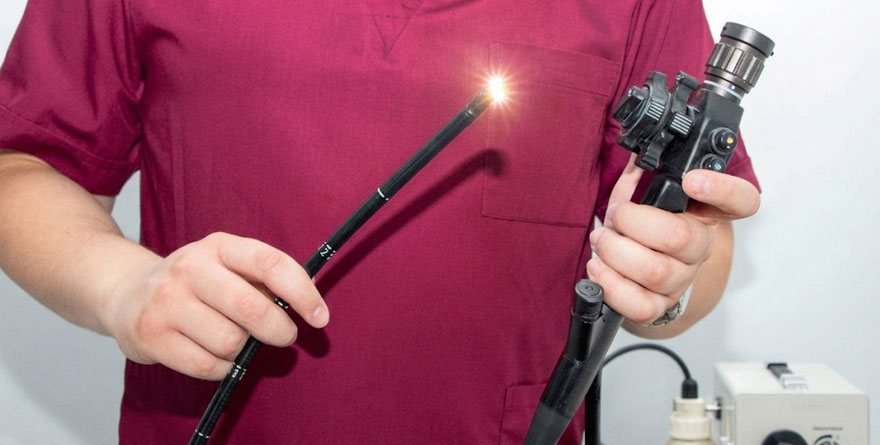
Endoscopy involves using a thin, flexible or specialised instrument with a camera to view structures inside the body. The images are displayed on a monitor, allowing the medical or surgical team to examine the area and, when required, perform specific treatments.
Different types of endoscopes and techniques are used depending on the body part being examined or treated. Some procedures are primarily diagnostic, while others can be used to perform minimally invasive treatment.
What Endoscopic Procedures Are Available?
Endoscopic techniques can be used for different medical and surgical conditions. Services available at Masters of Scopy include:
- Endoscopic Spine Surgeries: Selected spinal procedures performed through minimally invasive endoscopic techniques.
- Endoscopic Joint Surgeries: Arthroscopic procedures used to examine and treat selected joint conditions.
- Endoscopic Kidney Stone Surgeries: Procedures such as cystoscopy and ureteroscopy for selected urinary tract and kidney stone conditions.
- Endoscopic Thyroid Surgery: Selected thyroid procedures performed using minimally invasive techniques.
- Endoscopic Polyp Removal: Removal of selected polyps using appropriate endoscopic techniques.
- Endoscopic Nose Surgeries: Selected nasal and sinus procedures using endoscopic techniques.
- Upper GI Scopy: Endoscopic examination of the upper digestive tract when clinically indicated.
- Colonoscopy: Endoscopic examination of the large intestine for evaluation and selected treatments.
- Hysteroscopy Surgeries: Endoscopic examination and selected treatment of conditions inside the uterus.
Diagnostic and Therapeutic Endoscopy
Endoscopy can serve both diagnostic and therapeutic purposes. During a diagnostic procedure, the healthcare team examines the relevant area to identify or assess a possible condition.
In certain situations, treatment can also be carried out during the same procedure. Depending on the type of endoscopy, this may include procedures such as polyp removal or treatment of an identified problem. Your doctor will explain what is appropriate for your specific condition.
Potential Benefits of Endoscopic Procedures
Depending on the type of procedure, endoscopic techniques may offer several advantages compared with certain conventional surgical approaches.
- Minimally invasive approach for suitable procedures.
- Smaller incisions or use of natural body openings for selected procedures.
- Direct visualisation of the area being examined or treated.
- Ability to diagnose certain conditions more directly.
- Selected treatments can sometimes be performed during the same procedure.
- Recovery may be quicker for some minimally invasive procedures compared with traditional surgery.
How Should You Prepare for an Endoscopic Procedure?
Preparation varies depending on the type of endoscopic procedure. Your doctor or surgical team will provide specific instructions before your appointment.
- Follow any fasting instructions provided by your healthcare team.
- Inform your doctor about medicines you are currently taking.
- Inform the medical team about any known allergies or medical conditions.
- Complete recommended blood tests, imaging or other investigations if required.
- Follow any bowel preparation instructions provided for procedures such as colonoscopy.
- Arrange transportation and assistance if sedation or anaesthesia is planned.
What Can You Expect During the Procedure?
Before the procedure begins, the medical team will review your condition and explain the planned treatment. Depending on the procedure, local anaesthesia, sedation or general anaesthesia may be used.
A specialised endoscope is then carefully introduced through the appropriate route. The surgeon or specialist views the area on a monitor and performs the required diagnostic or therapeutic procedure.
After the procedure, you will be monitored for recovery and given appropriate post-procedure instructions.
Recovery After Endoscopic Procedures
Recovery depends on the type of endoscopic procedure, the treatment performed and the individual's overall health. Some diagnostic procedures may involve a relatively short recovery, while surgical endoscopic procedures may require more time.
- Follow your doctor's post-procedure instructions.
- Take prescribed medicines as directed.
- Follow dietary instructions where applicable.
- Avoid strenuous activity until your doctor advises that it is safe.
- Attend recommended follow-up appointments.
- Contact your healthcare team if you develop concerning symptoms after the procedure.
Are Endoscopic Procedures Safe?
Endoscopic procedures are routinely used for diagnosis and treatment, but like any medical procedure, they may involve certain risks. The risks vary according to the type of procedure, the patient's health and the treatment being performed.
Before your procedure, the medical team will assess your individual condition and explain the expected benefits, possible risks and available alternatives.
Endoscopic Care at Masters of Scopy
At Masters of Scopy, our focus is on providing advanced endoscopic and minimally invasive care supported by experienced surgical teams and modern medical technology.
From Upper GI Scopy and colonoscopy to arthroscopy, endoscopic kidney stone procedures, spine procedures, nose surgeries and hysteroscopy, treatment is planned according to the patient's specific condition and clinical requirements.
When Should You Consult a Specialist?
If your doctor has recommended an endoscopic examination or procedure, or if you have persistent symptoms that require further evaluation, a specialist consultation can help determine the appropriate next step.
Your doctor can review your symptoms, medical history and investigation reports and explain whether an endoscopic procedure may be appropriate for your condition.
Take the Next Step Towards Better Care
If you have been advised to undergo an endoscopic procedure or want to understand your treatment options, speak with the experienced team at Masters of Scopy.
Book a consultation today to understand your condition, available treatment options and what to expect from your procedure.